Seven timers. One holiday dinner. You know exactly the chaos we're talking about.
Turkey in the oven, stuffing on the counter, pie cooling on the rack, mashed potatoes on the stove, dinner rolls about to go in, greens that need exactly twelve minutes — and every timer you own is already taken. That's where a voice assistant stops being a novelty and starts earning its spot on the counter. "Alexa, set a greens timer for twelve minutes." Done. Named, labeled, running alongside everything else. You'll know exactly what's beeping when it goes off.
That's the whole pitch for this post. Not the complicated stuff — not hubs and protocols and mesh networks. Just the simple things. The everyday moments where smart home tech quietly makes your day a little easier, and after a while you don't even think twice about it.
The Stuff You Probably Already Do
Ask anyone who's had a voice assistant for more than a week what they actually use it for, and the answers are almost always the same.
Multiple, named, running at the same time. Cooking, laundry, the parking meter, the kid's screen time. Not one timer — all of them, at once, each one labeled so you know what's what.
"Hey Google, do I need an umbrella today?" Asked before you get out of bed. No app to open, no screen to squint at. Just an answer.
A daily morning alarm you can set, change, or cancel without picking up your phone. "Alexa, wake me up at 6:45." Done. Change your mind at 11pm? Just say so.
"Hey Siri, what's the score of the Bucs game?" From the couch. Didn't miss a play. Didn't open an app. Didn't ask anyone to look it up.
Already in bed. Forgot to turn off the kitchen light. "Alexa, turn off the kitchen light." You didn't move. Problem solved.
"Alexa, play something chill." "Hey Google, play oldies." "Siri, play my workout playlist." Whatever the moment calls for — hands full, across the room, don't care — just say it and it plays. No fumbling with a phone, no aux cord, no DJ required.
Too warm. Comfortable on the couch. Pull out the phone, open the app, drop it two degrees. Never got up. Never will have to again.
None of these are revolutionary. None of them will make the news. But stack them up across a day, a week, a year — and what you're describing is a home that responds to you, instead of the other way around.
Did I Lock the Door?
You're already on the highway. Already ten minutes from the office. And you can't remember if you locked the front door.
Did you? You think you did. You usually do. But you're not sure.
Old answer: turn around, or spend the next eight hours wondering.
New answer: open the app. Check the lock. Lock it from your phone if it's open. Fifteen seconds, and it's handled — forever.
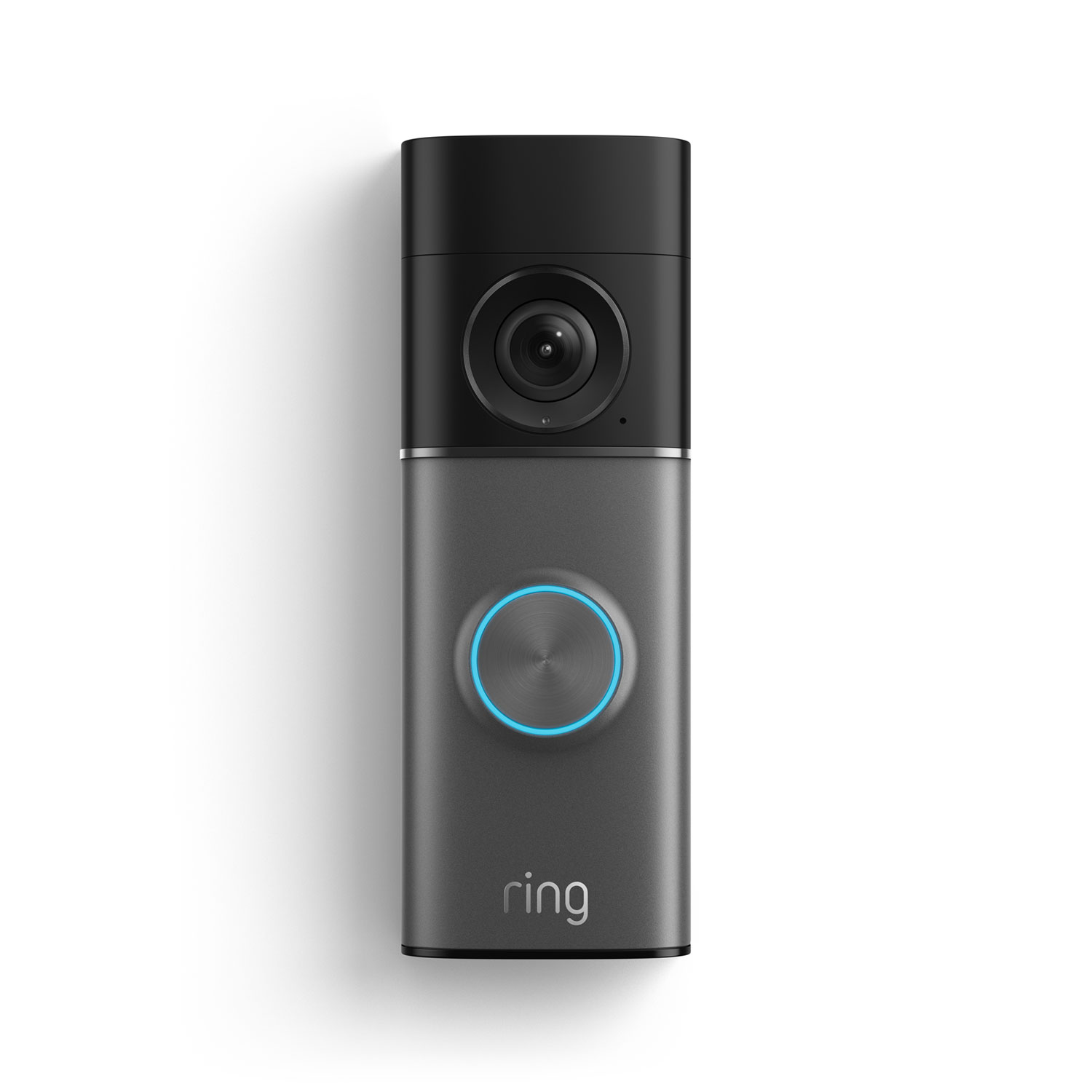
Same goes for the garage door. Same goes for the lights you swore you turned off. The phone becomes the second brain. Check the app, confirm it's done, move on with your day. Some people check once. Some people check three times just to feel right about it. Either way — it's right there, and it's real. No guessing.
Same Tech. Different Day.
Here's where it gets a little quieter.
Everything above — the timers, the locks, the thermostat, the lights — those are conveniences for most of us. Nice to have. Makes the day smoother. We'd survive without them.
But think about who else is using this exact same technology.
The person who just had surgery and is supposed to stay off their feet — but it's seventy-eight degrees in the house and the thermostat is across the room. The one whose hands make it hard to work small switches and dials at the end of a long day. For them, "turn off the kitchen light" isn't a convenience. It's just being able to do something themselves, without asking for help, without waiting for someone else to be available.
The technology didn't change. What it means to someone — that part's different.
You Don't Have to Go All In
None of this requires a full smart home overhaul. No hub, no subscription, no technician.
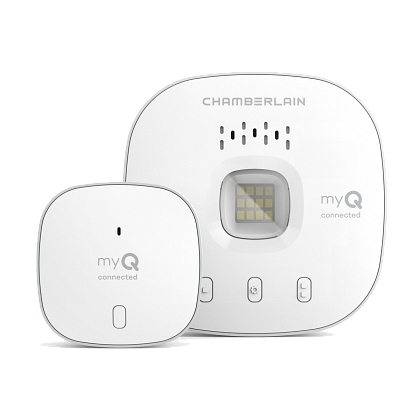
A single voice assistant on the kitchen counter handles timers, weather, alarms, and scores — and can control anything you plug into a smart plug. A smart lock on the front door closes the chapter on "did I lock it" forever. A smart garage controller — most of them under thirty dollars — means you'll never sit in the driveway wondering again.
Start with the thing that would actually help you. One device, one problem solved. The complicated stuff exists for people who want it. The simple stuff? That's for everyone.